
Staying Informed About Your Local Water Service: Where to Look and What to Ask
Clean, reliable water is essential to daily life, yet many rarely consider how it reaches their homes. Behind every glass, shower, or load of laundry is a system working to ensure supply remains safe and consistent. Understanding your local water system helps residents ask informed questions, recognize potential issues, and participate in community discussions about water quality and infrastructure. Being informed doesn’t require technical expertise—just knowing where to find accurate information and which questions reveal the bigger picture. Staying engaged strengthens transparency, builds confidence in water safety, and encourages conservation and sustainable management practices.
Understanding the Source of Your Local Water
The first step in understanding your water supply is identifying its source. Communities rely on surface water, such as rivers and reservoirs, or groundwater from aquifers. Each source requires specific treatment and monitoring processes. Surface water may fluctuate with rainfall, seasonal changes, or land use, while groundwater is naturally filtered but may contain minerals or other contaminants requiring treatment. Local reports and utility websites often provide details on source locations, protection measures, and treatment practices.
Geography influences water concerns: agricultural regions monitor runoff, urban areas may address industrial pollutants, and some locations contend with naturally occurring minerals. Utilities often partner with environmental agencies and watershed organizations to protect these sources, showing that water management extends beyond treatment plants into long-term environmental stewardship. Understanding the source helps residents interpret water quality reports and participate meaningfully in discussions about conservation and infrastructure priorities. Residents can also explore watershed maps or local environmental initiatives to see how land use, pollution control, and ecological protection directly influence water safety and availability. Awareness of these connections empowers households to support policies that safeguard natural water resources.
Reviewing Reports and Data About Your Water
Most water providers release annual Consumer Confidence Reports outlining test results, treatment processes, and regulatory compliance. These reports detail detected substances, measurement levels, and comparisons to federal safety standards, showing whether water meets legal and health requirements. Reports also describe treatment steps—filtration, sediment removal, chemical treatment, and disinfection—demonstrating the complexity of modern water management. While technical terms can seem overwhelming, summaries usually translate data into plain language, clarifying that trace substances at regulated levels are generally safe.
Transparent reporting and consistent communication boost public confidence in local water systems. According to the American Water Works Association, consumers who recalled recent outreach from their water utility were more than three times as likely to report that the safety of their water had improved over the past five years. Frequent updates, educational outreach, and clear explanations help communities understand and trust their water providers.
Residents are encouraged to review past reports over several years to identify trends, such as seasonal variations in water quality or the effectiveness of new treatment technologies. This approach helps communities recognize progress and ongoing challenges, providing context for public discussions and policy decisions.
Exploring the Infrastructure Behind Your Water Supply
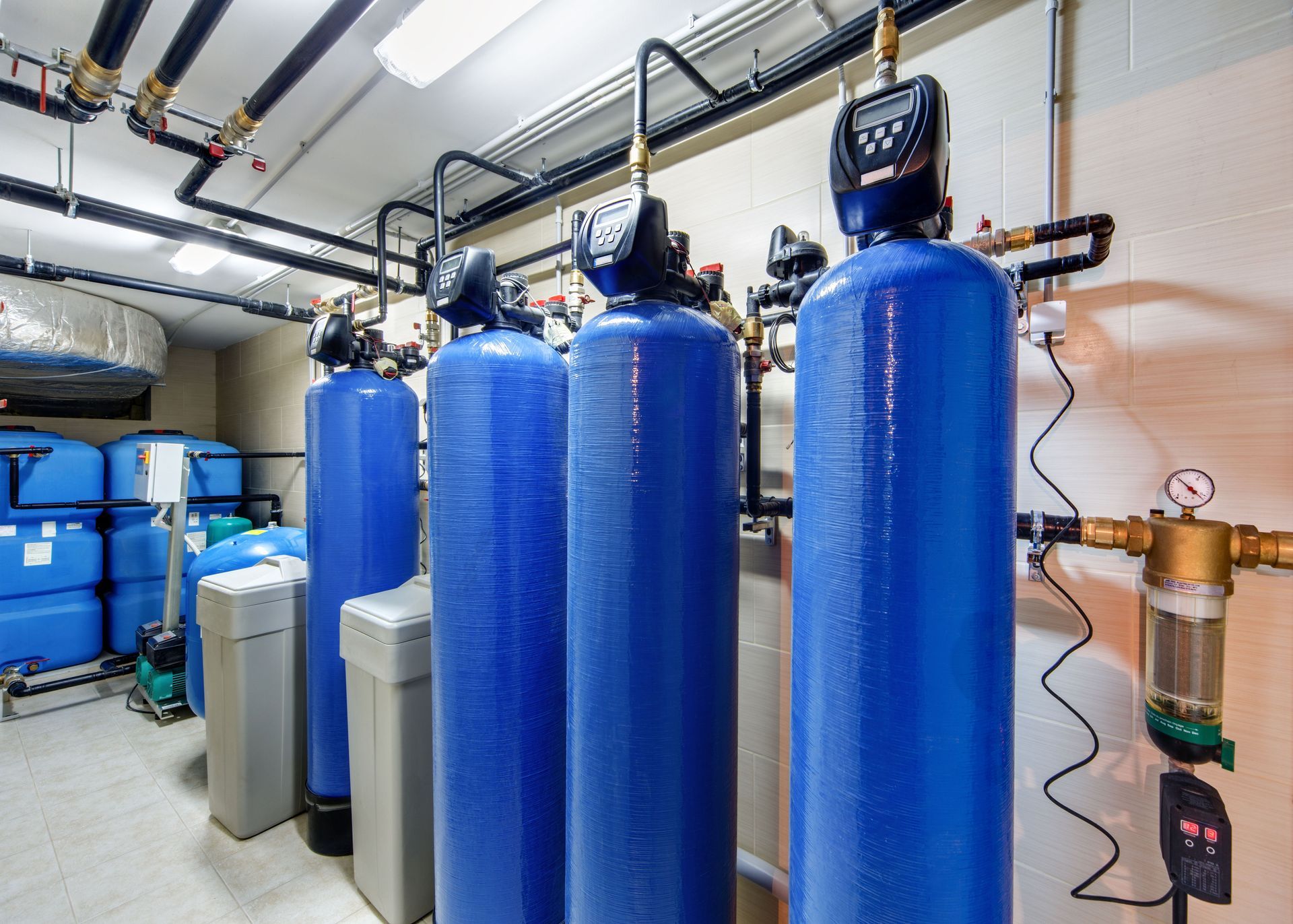
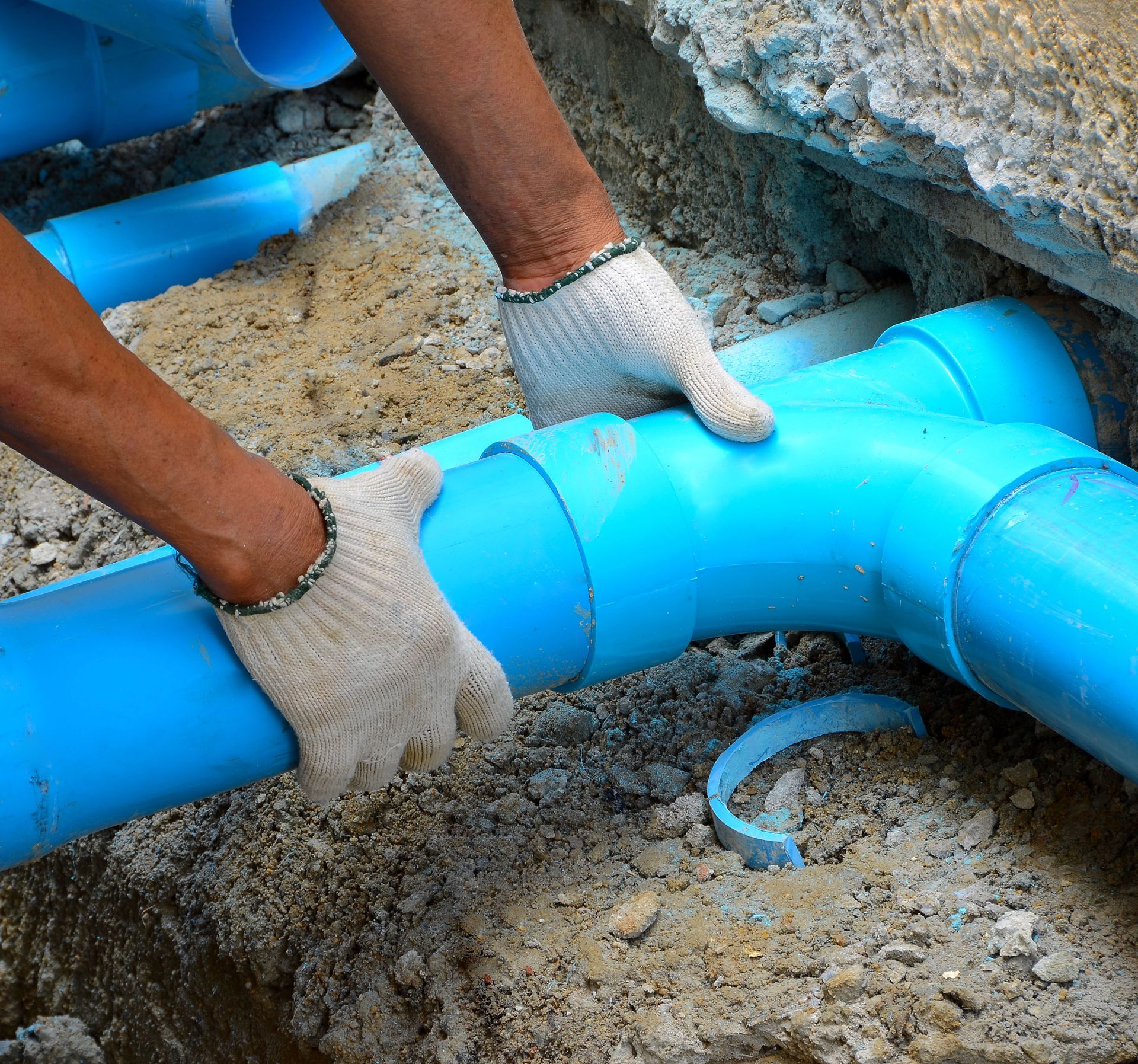
Water delivery relies on an extensive network of pipes, pumps, storage tanks, and treatment facilities. Treatment plants remove particles, bacteria, and contaminants through multiple stages, including filtration, chemical treatment, and disinfection. Distribution networks maintain pressure and provide a reliable supply across neighborhoods, cities, or even regions. Maintaining this infrastructure is critical. Aging pipes, outdated equipment, and evolving technology require ongoing inspection, upgrades, and modernization. Replacing old pipelines prevents leaks and contamination, while advanced monitoring systems detect issues quickly.
Public understanding of these challenges helps communities support long-term investment and planning. Infrastructure improvements are often invisible but essential. Modern systems improve reliability, reduce waste, and prepare communities for growth and environmental changes. Communities can also learn about local infrastructure projects by attending public utility meetings or reviewing municipal capital improvement plans. These resources provide insight into upcoming upgrades, expansions, and preventative maintenance schedules, offering a clearer picture of how water reliability is maintained behind the scenes.
Understanding Costs and Billing
Water bills reflect treatment, infrastructure maintenance, staffing, energy, and regulatory compliance. They typically include fixed charges to cover infrastructure costs and variable charges based on usage, which encourages conservation. Reviewing bills helps residents identify unusual spikes in consumption that may indicate leaks or inefficient appliances. Many utilities offer online tools or mobile dashboards for real-time monitoring, alerts, and usage tracking.
Financial assistance programs, rebates, and conservation incentives make water more accessible while encouraging responsible use. Understanding billing structures enables residents to engage thoughtfully in discussions about rates, funding, and infrastructure investments. In addition, comparing household consumption to average community usage can help families adopt water-saving practices, potentially reducing both costs and environmental impact. Simple actions, like upgrading to low-flow fixtures, fixing leaks promptly, or monitoring irrigation systems, directly influence billing and contribute to broader sustainability goals.
Communicating With Water Providers
Direct communication with water utility services is key to staying informed. Asking about testing schedules, conservation programs, or infrastructure projects provides insight into operations. Reporting issues like taste, odor, or pressure changes allows for timely resolution and prevents larger problems. Public meetings, community forums, and advisory boards offer further engagement. These platforms let residents learn about upcoming projects, budget plans, and regulatory changes while providing feedback on priorities.
Active engagement benefits both utilities and communities, fostering transparency, trust, and a shared understanding of local water systems. Residents can subscribe to provider newsletters, follow social media updates, and attend workshops on water conservation and safety. These channels provide ongoing learning opportunities and keep communities informed about innovations, policy updates, and environmental initiatives.
Preparing for Water Emergencies
Even well-managed systems can face disruptions from natural disasters, equipment failure, or contamination events. Emergency response plans outline how utilities communicate updates through news, social media, text alerts, and websites. Residents who stay connected to these channels receive timely information and guidance. Basic household preparedness, such as boiling water when advised, conserving supply, and maintaining emergency reserves, helps protect public health.
Utilities also maintain backup systems, emergency water storage, and contingency protocols, conducting regular training to minimize risks. Awareness of these plans allows communities to respond calmly and efficiently during disruptions. Additional preparedness steps, such as knowing alternate water sources or establishing a family emergency plan, can further reduce stress and ensure households have access to safe water during temporary interruptions.
Supporting the Future of Local Water Systems
Water systems must evolve to meet growing demand, changing environmental conditions, and advancing technology. Investments in smart sensors, advanced treatment processes, and infrastructure upgrades improve efficiency and reduce environmental impact. Community involvement in planning, project reviews, and public meetings ensures that local perspectives inform decision-making.
Education programs, school partnerships, and environmental initiatives promote responsible water use and long-term sustainability. Protecting watersheds, reducing pollution, and embracing conservation strategies strengthens system resilience for future generations. Residents who actively participate in water-related programs help guide policy, influence funding priorities, and encourage sustainable practices that benefit the entire community. By staying informed, households become partners in creating resilient, future-ready water systems.
Staying informed about your local water service begins with curiosity and the willingness to learn. Reviewing reports, asking questions, and engaging with utilities provide a deeper understanding of how water systems operate and support daily life. Transparent communication, education, and active civic participation build trust and confidence in water quality. By staying engaged and informed, communities help ensure that water remains safe, reliable, and sustainable for generations to come. To learn more about responsible water management and supporting local water systems, connect with ABT Water Management today.


Share On: